
How Original Is It: Risks of Counterfeit Toner and Spare Parts
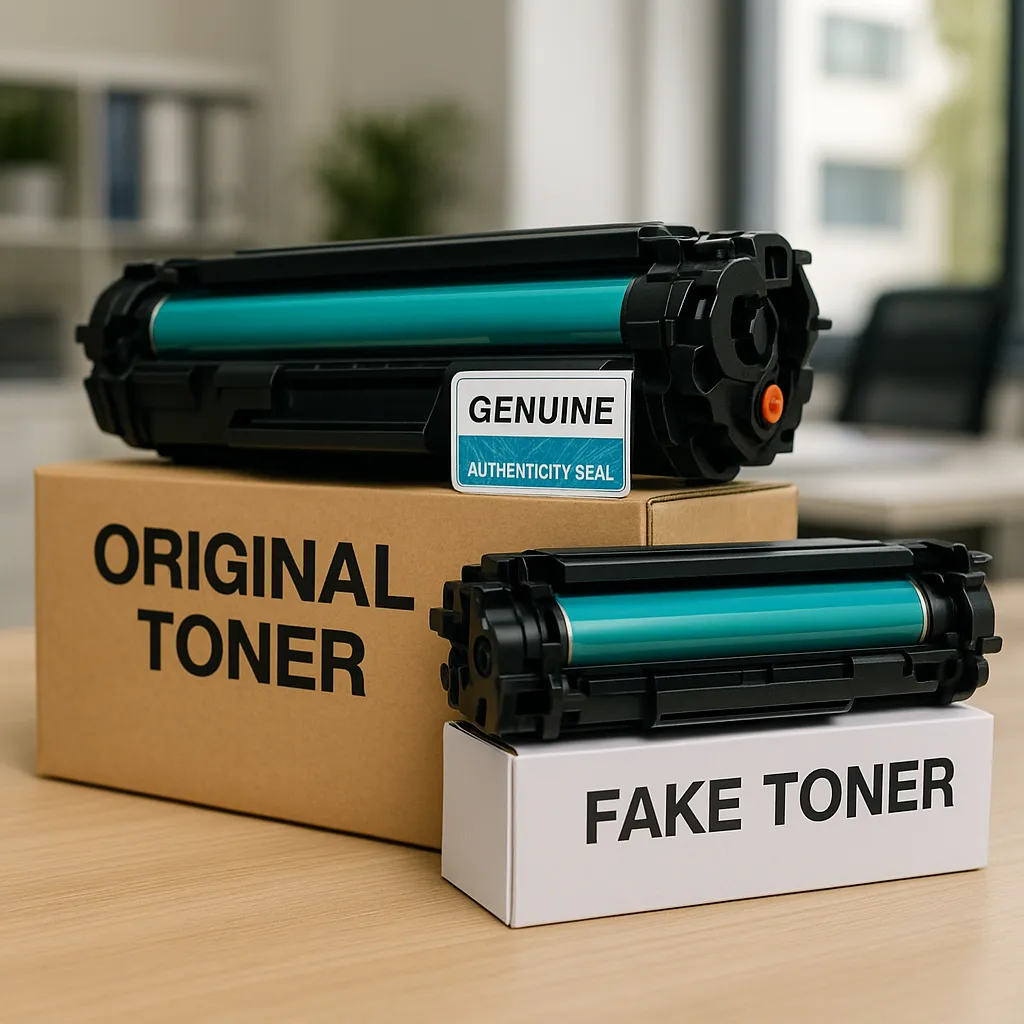
We witness consumers frequently using this question that may sound absurd when buying a product: "How original is it?" The purpose of this question is the abnormal price ranges encountered by users trying to obtain products at prices they can reach in countries enslaved by inflation...
Why Such Different Prices?
Why is a product with a 10-unit price at the dealer sold for 5 units, 3 units, or even more interestingly, 1 unit in the market? What kind of pricing is this? And how should the consumer make sense of this?
It would be more understandable to explain this strange market reality by evaluating the printer toner market, which is one of the products we know and everyone uses.
Official Dealer Prices and Real Market
While it's clear that the brand's official dealer will supply printer toners at a more affordable price than other sellers, where does this difference come from? To help consumers choose the most effective product by listing the very different reasons for this phenomenon, these lines are needed:
The dealer can sell the products they bought in bulk to other dealers at wholesale prices more affordably. A maximum of 5-10% discount can be achieved at these prices, and it's seen that this margin is not enough to explain the abnormal price differences.
Anatomy of Tricks in Trade
It's obvious that various tricks get mixed into trade after this stage.
Products with Approaching Expiration Dates
Products imported from abroad with approaching expiration dates may have been imported with higher discounts, but this is also not enough to explain the difference, and it's the point where quality starts to be compromised.
Deceptions in E-commerce Sites
To evaluate what comes after, it may be sufficient to look at e-commerce sites and see how local sellers' so-called "commercial intelligence" is used to deceive consumers.
Most Common Deception:
Promoting fake products in original-looking boxes as original is the most common reason for price differences. If we pay attention to these product groups, we see they are sold with at least a 50% price difference.
Contract Manufacturing and Compatible Products
There are also products called "compatible" that are manufactured on a contract basis. These are generally classified according to packaging quality. The section where 10-unit goods are sold for 5 or 1 unit consists of these contract products.
Önemli Not: Here, nobody, including the seller, mentions that the usage life is proportional to the price. Negative reviews from users are generally not published.
Consumer Psychology and Price Deception
Did you know that consumers are generally inclined to buy products at mid-range prices they consider "medium quality" when choosing between the cheapest and the original?
Unfortunately, it's a common situation that all options other than the original are actually the same.
Price Manipulation:
Here we see that sellers use and deceive consumers by forming the consumer's perception of "good price, adequate quality" based on the arithmetic average of prices.
Product Categories in the Market
1. Original Products
- Official products of the manufacturer
- Under full warranty coverage
- Consistent quality and performance
- Highest price segment
2. Fake Original Products
- Fake content in original packaging
- Around 50% price difference
- No quality guarantee
- Illegal sales
3. Contract/Compatible Products
- Third-party production
- Variable quality standards
- Pricing based on packaging quality
- Cheapest segment
Practical Tips for Consumers
For Safe Shopping:
- Shop from official dealers
- Be suspicious of abnormal price differences
- Read product reviews carefully
- Check warranty conditions
- Research the seller's reliability
The Golden Rule of Shopping
When shopping, it's beneficial to know that cheap products are not the way to get things cheap. By understanding the real reasons behind price differences, you can make the right choices as a conscious consumer.
Golden Rule:
The answer to "How original is it?" should be given not only by looking at the price, but also by evaluating the seller's reliability, the product's source, and warranty conditions.